
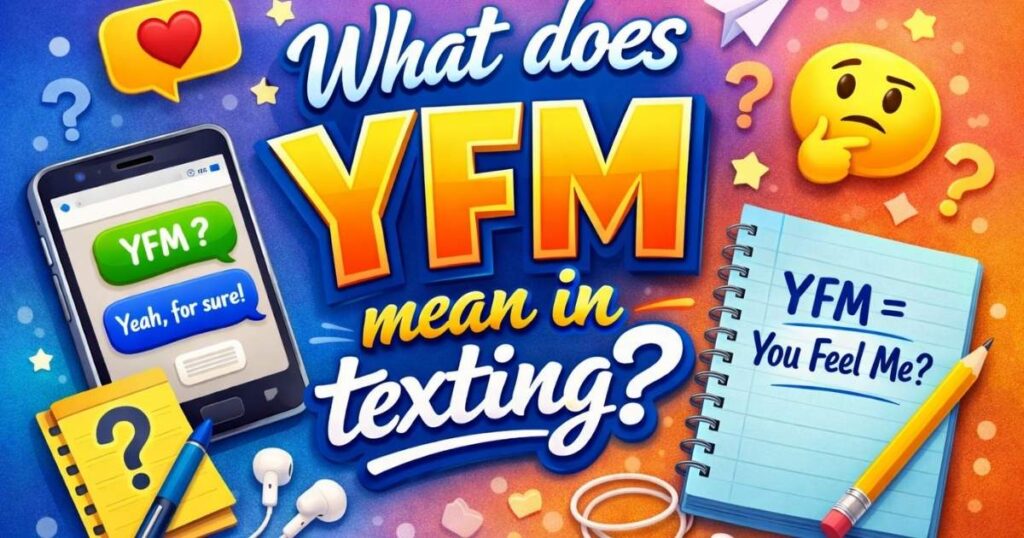
Three letters. One big question. You’re mid-conversation and “YFM” pops up on your screen. Your thumbs freeze. What does YFM mean in texting. Millions of people ask this every single day. Here’s the answer. YFM stands for “You Feel Me.” It’s short, punchy, and straight to the point. People use it to check if you agree or understand them. Young texters especially love it.
But what does YFM mean in texting on a deeper level. It’s really about human connection. When someone drops YFM in a message, they’re reaching out. They want to know you get them. Born in hip-hop culture, this little acronym exploded across social media. Now it lives everywhere. Knowing what does YFM mean in texting means you’ll never feel left out again.
Definition & Meaning
YFM stands for “You Feel Me.” It’s a casual phrase used in texting and online chats. People use it to ask if someone understands or agrees with what they just said. It’s friendly, fast, and easy to use.
Think of it like asking “Do you get me.” It checks for understanding without sounding formal or stiff. YFM fits perfectly in quick, everyday conversations between friends, classmates, and online communities.
The meaning is simple but powerful. It builds connection instantly. When you add YFM to a message, you’re inviting the other person to relate to you. That little acronym carries a lot of emotional weight in just three letters.
Background & History
YFM didn’t just appear overnight. It grew from African American Vernacular English, known as AAVE. The phrase “You Feel Me” became popular in urban communities and hip-hop culture during the 1990s. Artists used it to bond with their audience.
As texting took over in the 2000s, the phrase shrunk into three letters. Platforms like Twitter, Instagram, and Snapchat helped spread it fast. Young people across America adopted it quickly and made it their own.
Today YFM is a staple of digital communication. It crossed cultural lines and reached global audiences. What started in hip-hop culture became one of the most recognizable texting acronyms on the internet.
Usage In Various Contexts
YFM shows up in more places than you’d expect. Friends use it in casual text threads to check understanding. Gamers drop it in chat rooms after a tough match. Social media users add it to posts to invite agreement and engagement.
For example, someone might text “I stayed up all night studying YFM.” That tells you they’re exhausted and want you to relate. It works beautifully in emotional, funny, or relatable moments.
Even on dating apps, YFM creates a chill and approachable vibe. It signals openness and personality. Wherever informal conversation happens, YFM fits right in like it was always meant to be there.
Common Misconceptions & Clarifications
Many people think YFM is just random internet noise. It’s not. Every letter has a clear meaning. YFM always stands for “You Feel Me” in texting contexts. Assuming otherwise leads to unnecessary confusion in conversations.
Another misconception is that YFM works everywhere. It doesn’t. Using it in professional emails or formal discussions can backfire badly. It belongs in casual spaces, not boardrooms or academic settings.
Some people also think YFM demands a deep or serious response. That’s rarely true. Most of the time it’s lighthearted and conversational. A simple “yeah totally” is usually all the reply it needs.
Similar Terms & Alternatives
Several phrases carry a similar meaning to YFM. Each one has its own tone and best use case. Knowing your options helps you communicate more naturally depending on the situation and audience you’re speaking to.
Here’s a handy comparison table:
| Term | Meaning | Best Used In |
| YFM | You Feel Me | Texting, gaming, casual chats |
| You Get Me | Similar, less slangy | Casual conversations |
| Understand | Checks comprehension | Formal and professional settings |
| Relate | Seeks emotional connection | Social media, personal chats |
| Feel Me | Shorter, same meaning | Informal texting, social media |
Choose wisely based on who you’re talking to. YFM works great with close friends but might confuse older relatives or colleagues. Matching your language to your audience always makes communication smoother and more effective.
How To Respond To This Term
Responding to YFM is easier than you think. Match the energy of the conversation. If it’s casual and fun, keep your reply light. Simple responses like “totally,” “facts,” or “I feel you” work perfectly and keep the chat flowing naturally.
If the conversation is more serious, try “I understand” or “I’m with you.” These responses acknowledge the message without sounding overly formal. You don’t need a long reply. Short and genuine always wins.
Never overthink it. YFM is an invitation to connect, not a trick question. Just respond honestly and naturally. The person on the other end simply wants to know you’re listening and you get what they’re saying.
Regional Or Cultural Differences
Learn more:fn full form FN Meaning in Text: Everything You Need to Know
YFM is deeply American. It grew from AAVE and hip-hop culture rooted in the United States. Because of that, people in other countries might not instantly recognize it. In the UK or Australia, different slang fills the same role.
International audiences are slowly catching on though. Global social media platforms expose millions of non-American users to American slang daily. YFM is popping up in chats across Europe, Asia, and beyond more than ever before.
Still, always read your audience. If you’re chatting with someone from another country, simpler phrases like “you know what I mean” might land better. Clear communication always beats clever slang when there’s a cultural gap involved.
Comparison With Similar Terms
YFM and “You Get Me” feel close but aren’t identical. YFM carries a stronger emotional tone. It asks if you feel something, not just understand it. That subtle difference matters a lot in emotional or personal conversations.
“Relate” focuses purely on shared experience. It’s less about comprehension and more about empathy. “Understand” is the most formal of the group and fits professional settings where slang would feel out of place or inappropriate.
Each term serves a different conversational purpose. YFM is the most expressive and emotionally charged option. Use it when you want genuine connection. Use alternatives when the setting calls for a softer or more professional touch.
Usage In Online Communities & Dating Apps

Online communities absolutely love YFM. Discord servers, Reddit threads, and gaming chats use it constantly. It’s fast, expressive, and fits the quick-fire pace of online conversations perfectly. Gamers especially love dropping it after shared frustrations or exciting wins.
On dating apps it works like a charm. Adding YFM to your profile or messages signals a relaxed, fun personality. It tells potential matches you’re easygoing and real. That kind of casual confidence is genuinely attractive in a first impression.
Social platforms like Twitter and TikTok amplify its reach daily. Influencers and content creators use YFM to build relatability with their followers. It closes the gap between creator and audience in just three little letters.
Hidden Or Offensive Meanings
Good news here. YFM carries no hidden or offensive meaning. It’s one of the cleaner acronyms floating around the internet. You can use it without worrying about accidentally offending someone in most casual settings.
However context still matters. Using YFM during a serious or sensitive conversation can come across as dismissive. Timing and tone are everything. Even innocent slang can feel rude if it’s dropped at the wrong moment.
So just stay aware of the situation. YFM is safe but not bulletproof. Read the room before using it. If the conversation feels heavy or formal, hold off and choose something more appropriate and considerate instead.
Suitability For Professional Communication
Let’s be direct. YFM doesn’t belong in professional communication. Not in work emails. Not in client messages. Not in office group chats. It’s too informal and could easily confuse or alienate colleagues who aren’t familiar with texting slang.
Professionalism demands clarity. Phrases like “Do you agree” or “Are we aligned on this” say the same thing without any risk of misunderstanding. They keep your message clean, clear, and respectful in workplace environments.
Save YFM for your personal life. There’s a time and place for everything and the office isn’t it. Keeping professional and personal communication styles separate actually makes you look more polished and competent at work.
How YFM Reflects Changing Language Trends In Digital Communication
Language never stops evolving and YFM proves it beautifully. Digital communication pushed people toward shorter, faster, more expressive language. Acronyms like YFM are the natural result of that shift. Why type ten words when three letters say it all.
Social media accelerated this change dramatically. Platforms reward brevity and personality. YFM delivers both. It’s punchy, emotional, and culturally rich all at once. That combination makes it a perfect fit for modern digital expression.
This trend isn’t slowing down either. As new platforms emerge, new slang follows. YFM is just one example of how human language adapts to technology. It shows that even in the age of screens, people still crave real emotional connection.
Examples Of YFM In Popular Culture And Music
Hip-hop gave YFM its wings. Artists used “You Feel Me” constantly in lyrics and interviews throughout the 1990s and 2000s. It became a signature phrase for authenticity and street credibility. Listeners felt directly addressed and personally connected to the music.
TV shows and movies picked it up next. Characters in urban dramas and comedies used it naturally in dialogue. That kind of screen exposure pushed YFM deep into mainstream American culture and made it feel completely normal to everyday audiences.
Today you’ll spot it in song lyrics, podcast conversations, YouTube videos, and viral TikToks. It’s everywhere. Pop culture adopted it fully and shows no signs of letting it go anytime soon. It’s practically part of the American cultural vocabulary now.
Tips For Using YFM To Sound Natural In Texting
First rule: match the vibe. Only use YFM in casual, relaxed conversations. Dropping it into the wrong chat feels awkward and forced. When the tone is chill and friendly, YFM slides in perfectly and feels totally natural.
Pair it with context. Don’t just send “YFM” out of nowhere. Give it something to follow. For example “This week has been exhausting YFM” gives the acronym meaning and invites a genuine response from the other person.
Don’t overuse it. Like any slang, too much kills the effect. Sprinkle it in occasionally for maximum impact. Used sparingly, YFM adds personality and warmth to your messages. Used constantly, it starts feeling hollow and loses all its conversational charm.
The Future Of YFM And Other Youth Slang In Online Chats
Slang evolves fast and YFM will likely evolve with it. New platforms bring new communication styles. What feels fresh today might feel dated in five years. That’s just how internet language works and always has worked.
However the core need behind YFM won’t disappear. People will always want to ask “do you get me.” The words might change but the emotional need stays constant. Future slang will probably serve the same purpose in newer, more creative ways.
Expect slang to get more visual and multimodal. Emojis, GIFs, and voice notes are already changing how people express themselves online. YFM might morph into something entirely different but its spirit of seeking connection will absolutely live on.
Is YFM Considered Slang Or Abbreviation In Text Messages
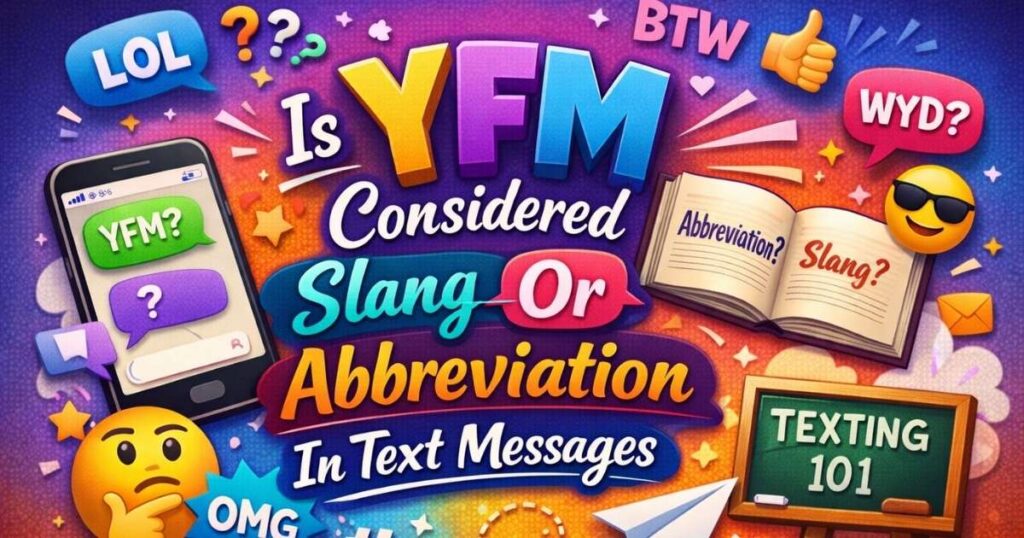
Technically YFM is both. It abbreviates a longer phrase and functions as slang at the same time. Most linguists would classify it primarily as slang because its meaning depends heavily on cultural context and informal usage patterns.
Unlike official abbreviations such as ASAP or FYI, YFM isn’t used in formal writing. You won’t find it in business documents or academic papers. Its home is casual digital conversation and that’s exactly where it thrives best.
The line between slang and abbreviation blurs constantly in texting culture. YFM sits comfortably in that gray zone. Call it what you want but one thing is certain. It communicates emotion and connection faster than almost any other three-letter combination out there.
When Should You Avoid Using YFM In Conversations
Avoid YFM in any professional setting without exception. Work emails, client calls, job interviews, and formal presentations all demand clear and polished language. Slipping in YFM could seriously hurt how others perceive your professionalism and credibility.
Also skip it when talking with older adults or people unfamiliar with internet culture. Not everyone lives on social media. What feels natural to you might genuinely confuse someone else and create unnecessary misunderstanding in an otherwise simple conversation.
Sensitive discussions also call for plain language. If someone is sharing something emotional or serious, responding with YFM can feel dismissive or even insulting. Always read the emotional temperature of a conversation before reaching for casual slang.
Why YFM Is Popular Among Gen Z And Younger Users
Gen Z communicates fast and feels deeply. YFM hits both targets perfectly. It’s short enough for rapid texting and emotional enough to create real connection. That combination is basically the blueprint for everything Gen Z values in digital communication.
Online culture shapes Gen Z’s language constantly. Music, memes, TikTok, and influencers all push slang into everyday use. YFM benefits from all of that exposure. It gets reinforced daily across every platform Gen Z spends time on.
There’s also an identity element. Using the right slang signals belonging. Knowing what does YFM mean in texting tells others you’re plugged into current culture. For younger users that kind of social fluency genuinely matters and shapes how they connect with peers.
FAQ’S
What does YFM mean in texting?
YFM stands for “You Feel Me.” People use it in casual texts to ask if someone understands or agrees with what they said.
Where did YFM originally come from?
YFM grew from African American Vernacular English and hip-hop culture in the 1990s. It moved into mainstream texting slang through social media platforms.
Is YFM appropriate for professional conversations?
YFM belongs in casual chats only. Using it in work emails or formal settings can confuse colleagues and hurt your professional image significantly.
How should you respond when someone sends YFM?
Keep it simple and natural. Reply with “totally,” “facts,” or “I feel you.” Match their energy and keep the conversation flowing comfortably.
Why do younger people use YFM so much?
Gen Z loves short, expressive language. YFM delivers emotion and connection in just three letters. It fits perfectly into their fast, social media driven communication style.
Conclusion
Now you know exactly what does YFM mean in texting. YFM Meaning in Text: Your Ultimate Guide to This Slang Acronym covered everything you need. It stands for “You Feel Me.” Simple, casual, and powerful. People use it daily to build quick connections. What does YFM mean in texting is no longer a mystery for you.
What does YFM mean in texting goes beyond just three letters. It carries real emotion and culture. Use it wisely and naturally. Know when to use it and when to skip it. Understanding what does YFM mean in texting keeps you confident in every digital conversation.