Every night, millions of people stare at the moon and grab their phone. They want the current phase of the moon as an emoji fast, accurate, and ready to share. It’s a small moment but a deeply human one. The sky speaks and you want to answer it.
Here’s what most people don’t realize though. The current phase of the moon as an emoji doesn’t update on its own. Your keyboard isn’t watching the sky. You have to make that match yourself. It takes one quick step check the real moon phase then grab the right emoji. The moon runs through eight beautiful stages. Each one has its own emoji waiting for you. Get this right and your messages hit differently.
Understanding Moon Emojis: More Than Just Cute Icons
Moon emojis are more than decoration. They represent a real scientific cycle that humans have tracked for thousands of years. Each emoji maps to a specific lunar stage with its own meaning and energy.
These emojis are part of the Unicode standard. That means they look the same across every device and platform worldwide. They’re universal symbols, not random pictures someone dreamed up.
Here’s the full breakdown of every moon emoji and what it represents:
| Emoji | Phase | Meaning |
| ???? | New Moon | Beginnings, darkness |
| ???? | Waxing Crescent | Growth, intention |
| ???? | First Quarter | Action, decisions |
| ???? | Waxing Gibbous | Progress, refinement |
| ???? | Full Moon | Completion, clarity |
| ???? | Waning Gibbous | Gratitude, sharing |
| ???? | Last Quarter | Release, reassessment |
| ???? | Waning Crescent | Rest, closure |
Do Moon Emojis Match The Real Moon Phase?
Honestly, no. Moon emojis don’t sync with the actual sky. Typing 🌕 doesn’t mean tonight is a full moon. Emojis are static images stored on your device. They can’t connect to satellites or astronomy databases.
Think of them like a printed calendar. The pictures are fixed. The moon keeps moving. Your keyboard simply doesn’t know what’s happening outside your window tonight.
So every time you want accuracy, you must check the real moon phase manually. Then choose the emoji that matches. It’s a two-second habit that makes a surprisingly big difference.
Real-Time Moon Phases: How To Check The Actual Lunar Phase
Several reliable tools show you the real moon phase instantly. Weather apps, astronomy websites, and dedicated moon tracker apps all calculate lunar positions using orbital mechanics. They’re surprisingly accurate and completely free.
Look for the lunar illumination percentage. That number tells you exactly how much of the moon is lit right now. It’s the fastest way to pick the correct emoji without guessing.
Some great options include TimeandDate.com and NASA’s lunar calendar. Both update in real time. Both show waxing and waning details. Bookmark one and checking becomes second nature.
Why This Matters More Than You Think
Using the wrong moon emoji might feel harmless. But symbols carry weight. Someone posting a full moon emoji during a new moon ritual is accidentally contradicting their own message. Details like that matter to people who care.
In content creation and branding, accuracy builds trust. Readers notice small inconsistencies even when they can’t explain why something feels off. Getting the emoji right signals that you pay attention.
Beyond aesthetics, moon phases connect us to natural rhythms humans have honored forever. Using the right emoji keeps that connection alive. It turns a tiny digital choice into something genuinely meaningful.
Expert Insight
Learn more:CFS Meaning in Text: A Complete Comprehensive Guide
Astrophysicist Dr. Emily Levesque made a powerful observation. She noted that modern people rarely look at the actual night sky anymore. Yet we reference it constantly through symbols, language, and now emojis every single day.
Her point cuts deep. Emojis can actually pull people back toward real astronomy. When someone uses the correct moon emoji intentionally, it sparks curiosity. That curiosity leads to learning and real sky-watching habits.
So don’t underestimate these tiny icons. Used thoughtfully, they bridge the gap between your phone screen and the vast universe spinning quietly overhead every night.
How To Match The Current Moon Phase To The Right Emoji
Start by checking today’s lunar illumination percentage online. If it reads near zero, grab 🌑. Near one hundred percent means 🌕 is your match. Everything in between falls along the waxing or waning scale.
Next, confirm the direction. Waxing means the moon grows brighter each night. Waning means it’s fading. That tells you whether to pick a crescent or gibbous emoji from the growing or shrinking side.
Practice this a few times and it becomes instant. You’ll start recognizing the moon’s shape naturally. Soon you won’t even need to check. Your eyes will just know which emoji fits.
Emoji Use In Astrology And Rituals
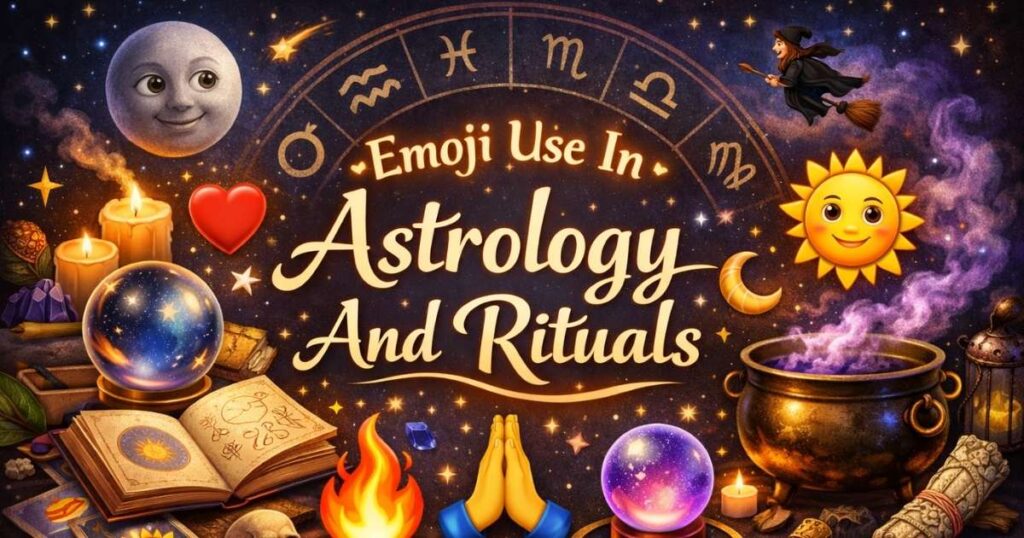
In astrology communities, moon phases aren’t just pretty visuals. They represent energetic cycles tied to emotions, intentions, and spiritual growth. Each phase signals a different kind of inner work worth focusing on.
New moons invite fresh starts. Full moons bring things to a peak. The quarters push you toward action or release. Using the matching emoji in your posts or journal entries reinforces those intentions powerfully.
When your emoji aligns with the real sky, it grounds your practice in something tangible. It stops being purely symbolic and starts feeling like a genuine conversation with nature happening right above you.
Moon Emojis And Platform Differences
Here’s something most people never notice. Moon emojis look slightly different depending on your device. Apple renders them one way. Android does it differently. Twitter, WhatsApp, and other platforms have their own unique styles too.
Sometimes a waxing gibbous on one phone looks almost full on another. That visual gap can cause real confusion, especially when accuracy matters to the person reading your message.
Because of this, always rely on the meaning behind the emoji rather than its exact appearance. Know what each phase represents. That knowledge travels across every platform cleanly, even when the artwork doesn’t match perfectly.
What Is The Current Phase Of The Moon As An Emoji
The current phase of the moon as an emoji is simply the Unicode symbol that best matches tonight’s real lunar appearance. It’s not automatic. It’s a conscious choice you make after checking real astronomical data.
People search this question constantly because it feels like there should be one simple answer. There kind of is. Check the moon. Pick the closest emoji. Done.
The current phase of the moon as an emoji becomes a powerful communication tool when used correctly. It connects your digital message to something ancient, cyclical, and genuinely alive in the sky above you every single night.
Understanding How Moon Emojis Are Designed
Unicode designers created eight distinct moon emojis to cover every major lunar stage. Each one is illustrated to visually represent how the moon looks from Earth during that specific phase. They’re designed to be instantly recognizable.
These are fixed assets built into your device’s software. Designers drew them once and they’ve stayed the same ever since. No algorithm updates them based on the calendar or your location.
The artistry is simple but deliberate. Each crescent curves the right way. Each gibbous shows the correct illumination side. When you know what to look for, the design logic becomes beautifully clear and easy to follow.
Why Moon Emojis Do Not Update Automatically
Many people assume moon emojis work like weather icons. They expect the phone to detect tonight’s phase and highlight the matching symbol automatically. That’s a reasonable assumption but it’s simply not how emojis function.
Emojis are stored images, not dynamic widgets. They carry no connection to GPS, astronomy APIs, or lunar databases. Your keyboard treats 🌕 exactly the same on a new moon night as it does on a full moon night.
Until someone builds a dedicated moon-phase keyboard app, the responsibility stays with you. Thankfully, checking takes about ten seconds. That tiny effort transforms a random emoji choice into something genuinely accurate and intentional.
How To Find The Real-Time Moon Phase
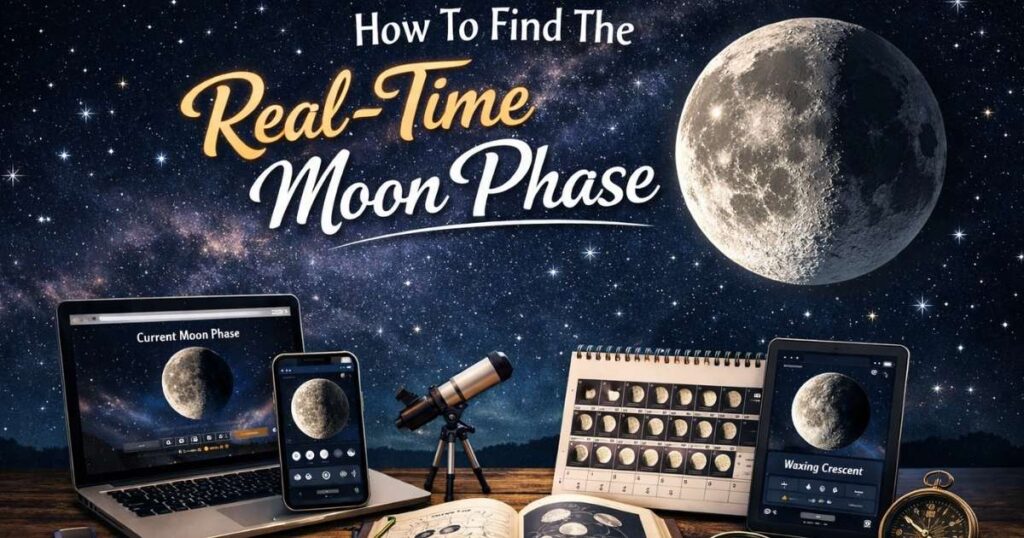
Pull up any reliable astronomy app or website right now. TimeandDate.com shows the current phase clearly. NASA’s moon page offers detailed orbital data. Most weather apps include a moon phase section buried in their details tab.
Look for two key pieces of information. First, the phase name. Second, the illumination percentage. Together those two details give you everything needed to pick the perfect emoji confidently.
Set a habit of checking once daily if you post about the moon often. It takes no time at all. Over weeks, you’ll start remembering the cycle naturally and checking will feel less like research and more like instinct.
Matching The Moon Phase With The Right Emoji
Zero percent illumination means pure darkness. That’s 🌑 every time. One hundred percent means brilliant fullness. That’s 🌕 without question. The six phases between those two extremes each have a dedicated emoji ready to use.
For the in-between phases, direction matters most. A growing crescent on the right side is 🌒. A shrinking crescent on the left is 🌘. Once you learn the visual pattern, matching becomes genuinely effortless and fast.
Write this breakdown somewhere handy until it sticks. After a few weeks of intentional matching, you won’t need the reference anymore. The moon’s rhythm becomes part of how you naturally see and interpret the night sky.
Why Moon Emoji Accuracy Matters
Accuracy in small things signals care in big things. When your moon emoji matches the real sky, readers and followers notice something feels right even if they can’t explain why. That subtle trust adds up over time.
For educators, astrologers, and content creators especially, emoji accuracy reinforces credibility. It shows you’re not just decorating posts randomly. You understand what the symbols mean and you respect that meaning enough to use them correctly.
Beyond professional reasons, there’s something personally satisfying about it. Knowing your emoji reflects the actual moon overhead creates a quiet alignment between your digital life and the natural world. That feeling is genuinely worth the ten-second effort.
Moon Emojis In Astrology And Daily Rituals
Astrologers treat each moon phase as a distinct energetic gateway. New moons open cycles. Full moons illuminate what’s been building. Waning phases clear the old away. Each transition deserves its own emoji when you’re documenting the journey.
Many practitioners journal daily and include moon emojis as shorthand for the current energy. When the emoji matches the real phase, the journal entry carries more resonance. It feels grounded rather than decorative or careless.
Even outside formal astrology, daily rituals benefit from this alignment. Morning intention-setting, evening reflection, weekly planning all of these practices gain a natural anchor when the correct moon emoji marks the moment. It’s a tiny ritual with surprisingly deep roots.
Platform Differences In Moon Emoji Appearance
Apple’s moon emojis have a golden, slightly glowing quality. Google’s versions lean cooler and more clinical. Samsung adds its own stylistic twist. None of them are wrong but they don’t look identical side by side.
This matters most when you’re creating content for mixed audiences. What looks like a clear waxing gibbous on your iPhone might read as almost full on your colleague’s Android. The meaning stays the same but the visual impression shifts.
Always prioritize knowledge over appearance when using moon emojis professionally. Understand each phase deeply enough that you could describe it in words if the emoji failed to communicate clearly. That knowledge makes you fluent in lunar symbolism across every platform and device.
Frequently Asked Questions
What exactly is the current phase of the moon as an emoji?
It’s the Unicode symbol that visually matches tonight’s real moon. You pick it manually after checking actual lunar data online.
Why doesn’t my phone automatically show the current phase of the moon as an emoji?
Emojis are static images stored on your device. They can’t connect to astronomy databases or track the moon’s real-time position automatically.
How do I find the current phase of the moon as an emoji quickly?
Check any moon tracker app for today’s lunar phase. Then match that phase to its corresponding emoji from the eight available options.
Does the current phase of the moon as an emoji look the same on every phone?
Not exactly. Apple, Android, and Samsung all render moon emojis slightly differently. The meaning stays consistent even when the visual appearance shifts slightly.
Why should I care about using the correct current phase of the moon as an emoji?
Accuracy builds trust and adds genuine meaning. The right emoji connects your message to real natural cycles happening in the sky right now.
Conclusion
What Is the Current Phase of the Moon as an Emoji? It’s a question worth knowing the answer to. The current phase of the moon as an emoji connects your messages to the real sky. It adds meaning to every post. It takes just seconds to get right.
Don’t guess your moon emoji. Check the real phase first. Then pick the matching symbol confidently. The current phase of the moon as an emoji tells a story about nature’s oldest cycle. Use it accurately. Use it intentionally. Your messages will feel more human, more grounded and genuinely connected to the beautiful world around you.